Uncategorized
What Is in Australian Tap Water
Mar
If your skin feels tight, itchy, or slightly dry after a shower, you are not alone. Plenty of Australians get this even when their skincare is good.
The surprising part is that the issue may not be your cleanser or lotion, but your shower itself. Factors like water temperature, pressure, and chlorine in tap water can subtly affect how your skin behaves over time.
Australian tap water is clean and safe to drink. What it does to your skin is a separate question, and it helps to be precise about which part of the water actually matters, because the answer is not the same everywhere. Sydney Water reports its supply at about 57 mg/L, which is classified as soft, and treats it with chlorine and ammonia, which forms chloramine. South East Water puts Melbourne at around 18 mg/L, softer again, with a free chlorine residual near 0.76 mg/L. In both cities the thing worth paying attention to is the disinfectant, not hardness.
What a Daily Shower Actually Exposes You To
Showering is part of everyday life, and through an Australian summer most people are doing it more than once a day. Frequent exposure to water, particularly hot water, can gradually affect your skin barrier.
The outermost layer of your skin, the stratum corneum, contains natural lipids that help lock in moisture. Repeated washing can reduce these lipids by up to 15 to 20 percent, making it harder for your skin to retain hydration.
At the same time, water temporarily swells the skin. Once it evaporates, moisture is lost more quickly, leading to that familiar post shower dryness or tightness.
Over time, this cycle can make your skin feel more sensitive, even if nothing else in your routine has changed.
Why It Matters for Skin Comfort
This is not about safety, it is about how your skin feels day to day.
When the skin barrier is slightly compromised, you may notice
• Dry or flaky patches
• Increased sensitivity
• Itchiness after showering
• A tight or stripped feeling
• Scalp dryness or mild irritation
These effects are usually subtle, but they can build up over time, especially with multiple showers a day.
For many people, it becomes a cycle shower dryness apply more skincare repeat.
What the Chlorine in Your Supply Reacts With
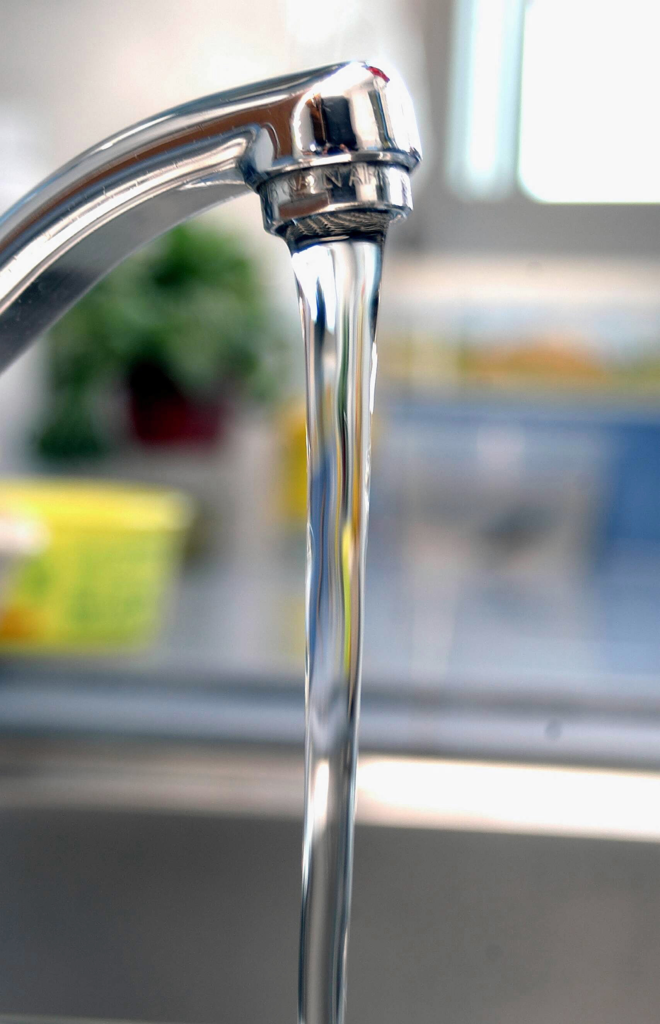
Chlorine plays an important role in keeping Australian tap water safe. However, it is also an oxidising agent, which means it can interact with proteins and lipids on the skin’s surface.
With repeated exposure, chlorine may
• Disrupt natural oil balance
• Contribute to dryness
• Increase sensitivity in delicate skin
• Affect scalp comfort
• Make hair feel rough or frizzy
Studies have also shown that chlorinated water can lead to protein loss in hair fibres, increasing porosity and contributing to frizz over time.
Again, this is not harmful in a medical sense, but it can affect overall comfort and appearance.
Simple Ways to Reduce Chlorine Exposure
The good news is that small changes in your routine can make a noticeable difference.
Here are a few practical adjustments
• Use lukewarm instead of hot water
• Keep showers shorter when possible
• Avoid overly harsh cleansers
• Apply moisturiser immediately after showering
• Consider reducing chlorine exposure during rinsing
These steps help support your skin barrier without requiring a complete overhaul of your routine.
A Smarter Way to Improve Your Shower Experience with Suhae
Instead of focusing only on skincare after your shower, it may help to look at the shower environment itself.
Suhae approaches this by refining how water interacts with your skin rather than changing the water source.
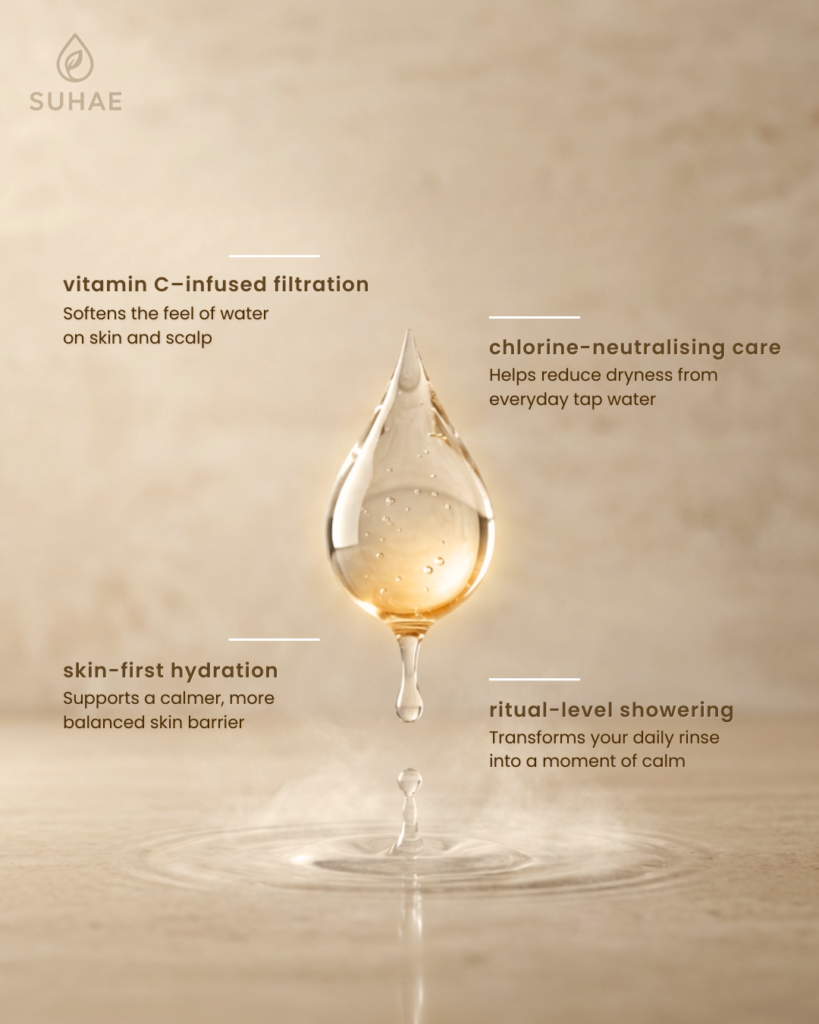
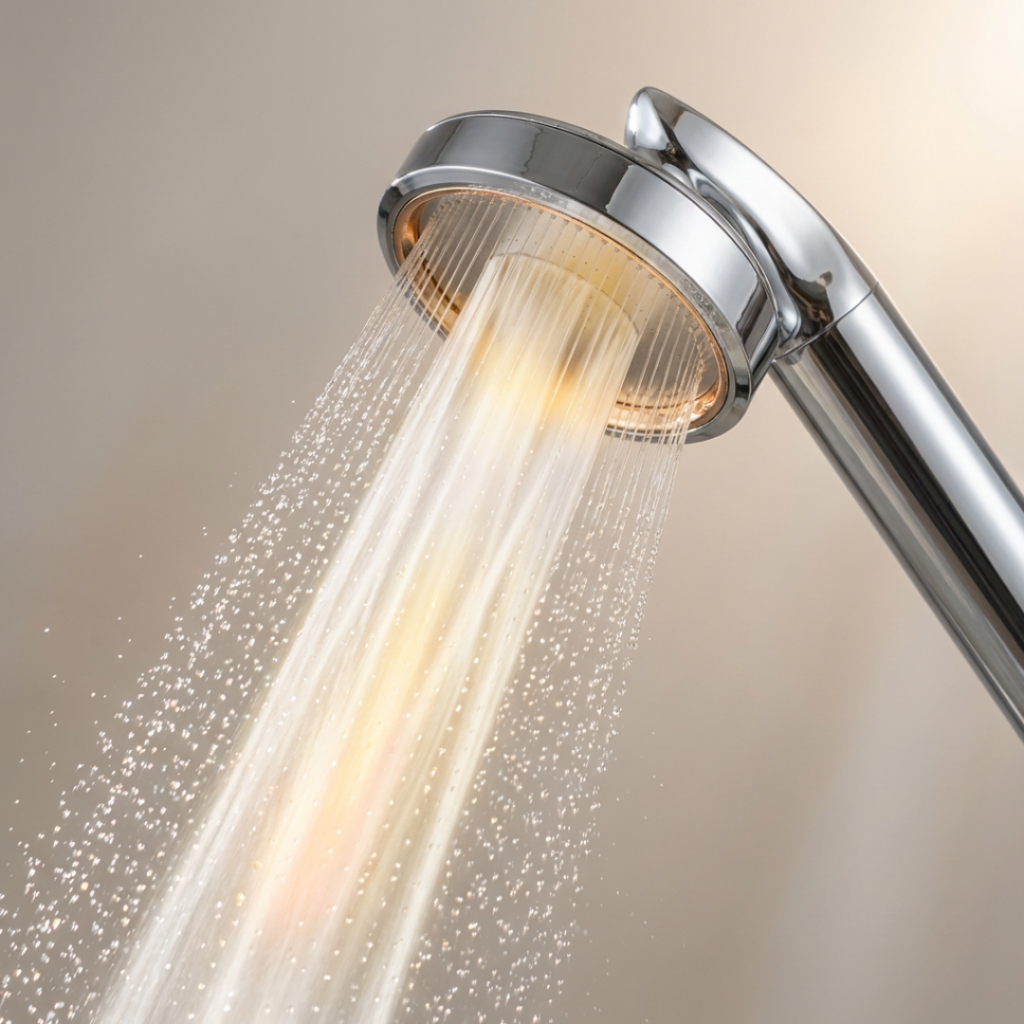
Its Vitamin C filtration system helps neutralise chlorine on contact, creating water that feels softer and more comfortable for daily use. This approach aligns well with frequent, short exposure like showers, where quick neutralisation matters most.
At the same time, Suhae combines this with thoughtful water delivery design
• Balanced flow, tested at 5 L/min
• Micro spray technology that improves coverage without harsh impact
• Filtration systems that help refine water and reduce impurities
Products like the SUHAE Radiance and Nourish hand showers neutralise chlorine at the point of use and capture fine particles before the water reaches you.
If you want the figures for your own suburb rather than a national average, they are on the water by postcode page.
Rather than positioning this as a fix, Suhae fits naturally into your routine as a simple upgrade to something you already do every day.
Small Changes to the Water You Shower In
Australian tap water is safe and clean. Skin comfort is a different question, and the way water meets your skin, its temperature, its pressure and its chlorine, makes a subtle difference over time.
If you have been dealing with persistent dryness after showers, it may be worth looking beyond your skincare products and considering your shower environment instead.
Refining water quality changes one input in a routine that has several. It is worth ruling in or out, and it is not the only candidate. And sometimes, that is all it takes to turn a daily routine into something your skin actually enjoys.