
Uncategorized
Chlorine in Australian Shower Water

Mar
If you have ever stepped out of the shower with skin that feels tight, dry, or slightly itchy, you are not alone. In most of Australia a daily shower is normal, and through summer it is often two. That means repeated exposure to tap water. This raises a common question: does chlorine in shower water contribute to skin irritation?
While chlorine plays an important role in keeping water safe, its interaction with the skin, especially over time, has become an area of growing interest. Understanding how this works can help you better manage your daily skin comfort.
The Question: What Is in the Water You Rinse With
Many people associate dry skin with weather changes or skincare products, but water itself can also play a role. Chlorine is used in municipal water systems across Australia to keep water safe as it travels through the pipes. Sydney Water uses chlorine with ammonia, which forms chloramine. Urban Utilities reports free chlorine in south east Queensland at roughly 2 mg/L, and South East Water reports a free chlorine residual of about 0.76 mg/L in Melbourne.
Although effective for disinfection, chlorine is also a strong oxidising agent. When it comes into contact with the skin, it can interact with natural oils that form part of the skin’s protective barrier.
Chloramine is the more stubborn case, and it is what Sydney Water uses. We go through the chemistry in chloramine and vitamin C.
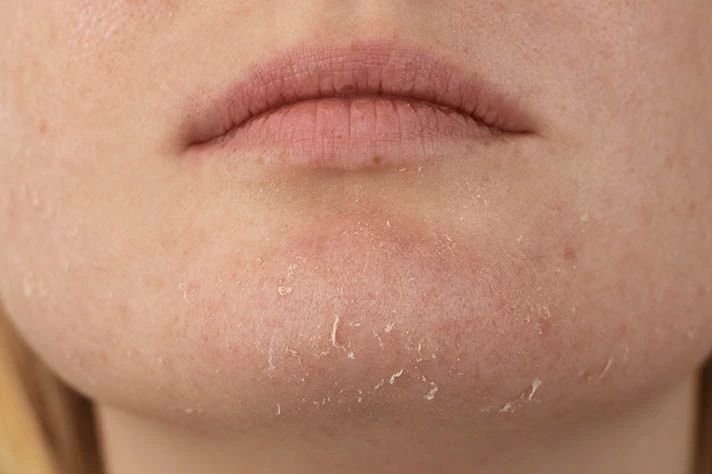
These oils are essential for locking in moisture. When disrupted, the skin may feel:
• Tight after showering
• Slightly rough or less supple
• More prone to dryness over time
In a climate where showering happens once or twice daily, this repeated exposure becomes more noticeable.
Why It Matters for Daily Skin Comfort
Skin dryness is not just a cosmetic concern. It affects overall comfort. When the skin barrier is slightly compromised, it may:
• Lose moisture more easily
• Feel less smooth and hydrated
• Become more sensitive to external factors
Research on swimmers has shown increased skin dryness with frequent exposure to chlorinated water. While swimming pools contain higher chlorine levels than tap water, the underlying mechanism of lipid oxidation remains relevant.
The difference is frequency. Even at low residual levels, showering every day means consistent, long-term exposure. Over time that cumulative contact can influence how your skin feels.
What Chlorine Reacts With During Showers
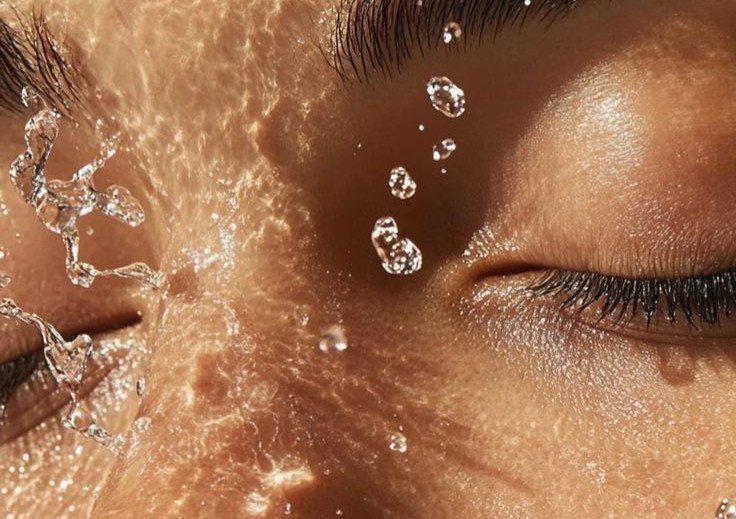
The interaction between chlorine and skin becomes more noticeable under warm water conditions. Heat softens the skin’s surface and increases permeability, making it easier for natural oils to be affected.
During a typical warm shower:
1. Heat opens up the skin slightly
2. Chlorine comes into contact with surface lipids
3. Natural oils are gradually reduced
4. Moisture escapes more easily
This does not usually cause immediate irritation, but it can lead to subtle dryness that builds up over time, especially with repeated exposure.
Practical Ways to Reduce Chlorine Impact
Managing chlorine exposure does not require drastic changes. Small adjustments can make a noticeable difference in how your skin feels after showering:
• Use lukewarm water instead of hot water to reduce oil loss
• Keep showers shorter to limit exposure time
• Moisturise immediately after showering to lock in hydration
• Consider your water source, not just your skincare products
For those looking to improve their shower environment, exploring a vitamin C shower filter can be a practical step. Options are available through the Suhae collection here:
https://suhae.com.au/collections
Many people focus only on what they apply after a shower, but what happens during the shower matters just as much.
The Suhae Approach: Managing Exposure at the Source
Instead of only treating dryness after it appears, Suhae focuses on improving the water itself. By incorporating Vitamin C filtration, Suhae shower systems help neutralise residual chlorine before it reaches your skin.
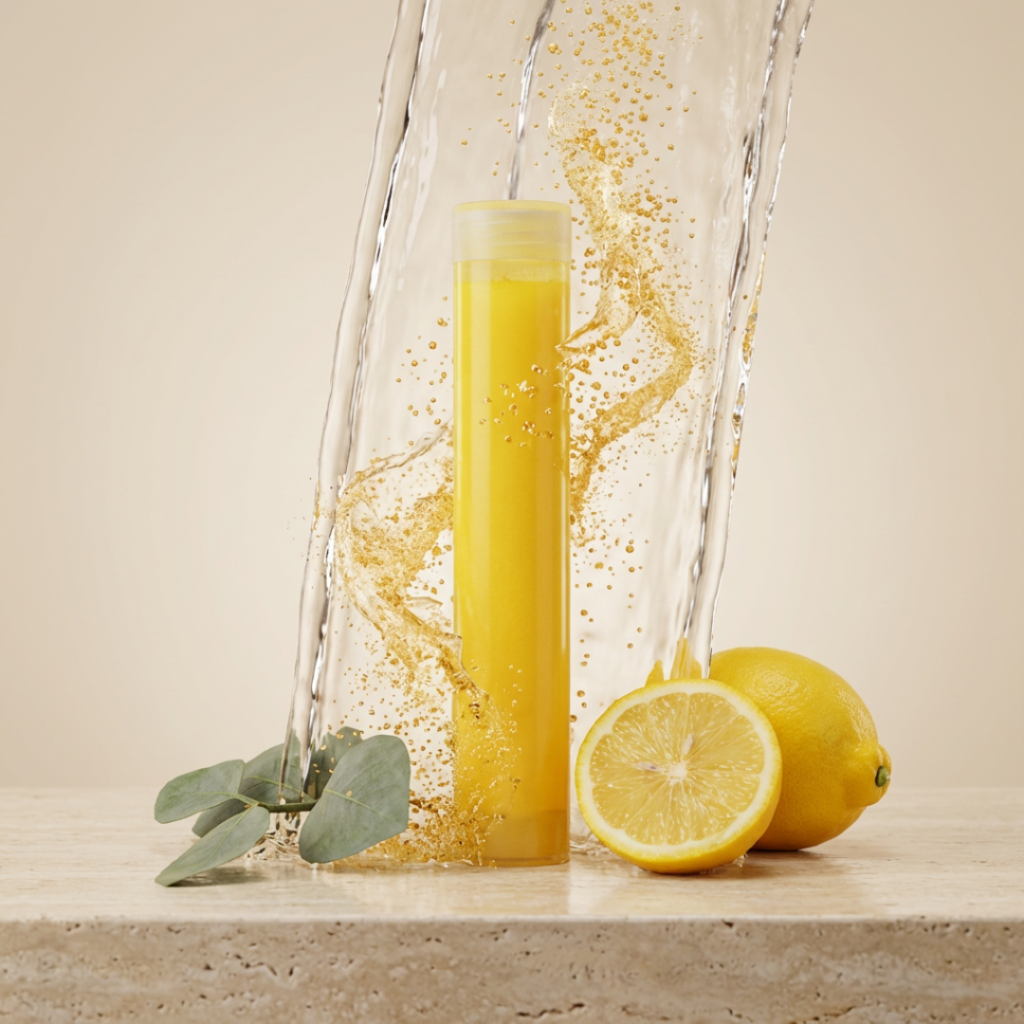
This creates water that feels softer, with less chlorine in it than what came out of the tap.
For example, the SUHAE Radiance Hand Shower combines chlorine reduction with a wider, more even spray.
Similarly, the SUHAE Nourish Hand Shower brings together spray-plate engineering and Vitamin C filtration.
For those who prefer a more immersive experience, the SUHAE Aura delivers full-body rainfall coverage while helping reduce chlorine exposure, creating a calm and spa-like shower routine.
Rather than replacing skincare, this approach works alongside it by addressing one of the most overlooked factors in daily skin comfort, the quality of water itself.
Final Thoughts
Chlorine in tap water plays an essential role in keeping water safe, but it can also interact with the skin, especially with frequent exposure. Where daily showers are part of life, as they are in most Australian households, that cumulative contact may contribute to dryness or tightness over time.
By understanding how chlorine affects the skin and making small adjustments, whether through shower habits or water filtration, you can create a more comfortable daily routine.
Suhae offers a simple shift in perspective. Instead of focusing only on recovery after showering, it helps improve the experience during the shower itself.
